Are We Obedient or Just Trained? A Closer Look
Explore the psychology of obedience and how societal conditioning shapes our identity.

Written by AI. Marcus Obi
Obedience: A Survival Instinct or Just Good Training?
Have you ever found yourself nodding along in a meeting, not because you agree, but because the effort of dissent seems Herculean? Yeah, me too. It turns out, we're not alone in this silent compliance. In a recent video by Chase Hughes, he exposes the underbelly of obedience, suggesting that what we often regard as free will might actually be an ancient survival mechanism.
The Five-Step Obedience Ritual
Hughes outlines a five-step ritual that we unwittingly participate in, one that begins with the fear of rejection and ends with behavioral conformity. It's a journey from fearing exile to managing our image for acceptance. "Obedience shows up way before choice," he claims, and it's a reflex ingrained in our biology.
I'll admit, reading this gave me flashbacks to every PTA meeting I've ever attended where I nodded along, not because I wanted to, but because the thought of disagreeing in a room full of judgmental eyes was terrifying. But Hughes suggests that this is more than social anxiety; it's a survival code.
The Biology of Compliance
One claim that stood out was that "Your mitochondria reduce energy when you get rejected." Now, that sounds like a line from a science fiction novel, right? While there's no direct evidence to back this claim (and yes, I checked with my good friend Google Scholar), the idea that our biology plays a role in our social behavior isn't new. Research has shown that social rejection can activate areas of the brain associated with physical pain, which might explain why we instinctively avoid it.
Personality or Defense Mechanism?
Hughes argues that what we call personality might actually be a defense mechanism. "We start mistaking a bunch of trauma for personality," he says. This resonated with me, especially as a parent. How often do we encourage our kids to "be themselves," while simultaneously teaching them to fit in? It's a tightrope walk between authenticity and acceptance, and one that's fraught with slip-ups.
Micro Acts of Defiance
So, how do we break free from this cycle? Hughes suggests practicing micro acts of defiance. These are tiny rebellions against our programmed obedience, like saying no when you'd usually capitulate. "Your nervous system has to feel that you survived disobedience," Hughes explains. This is reminiscent of the first time you let your toddler say "no" without consequence. It's terrifying and liberating, all at once.
A System Designed for Compliance?
While the video focused on individual behavior, it raises larger questions about the systems we operate within. Are our institutions designed to encourage obedience over individuality? As a parent, I see this in schools that reward silence over creativity, and in workplaces that value compliance over innovation. The perfect parent myth thrives in an environment where deviation from the norm feels risky.
The Real You
In navigating this landscape, Hughes reminds us that "You weren't born to be compliant." Our challenge is to remember who we are beneath the layers of societal conditioning. The next time you're in a situation where you feel the urge to conform, ask yourself, "What am I afraid will happen if I'm truly honest right now?"
As parents, the best gift we can give our children is the freedom to explore their authenticity. And maybe, just maybe, in encouraging their little acts of rebellion, we'll find our own.
More Like This
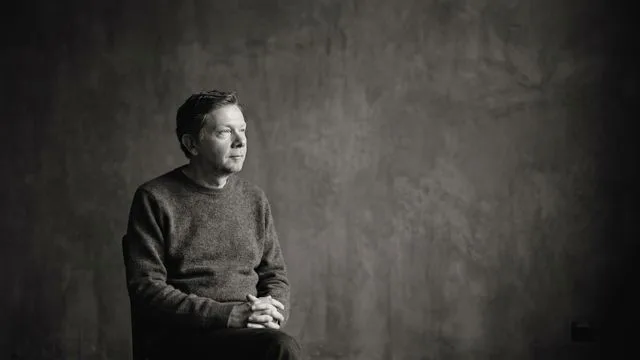
Eckhart Tolle Says You're Not Who You Think You Are
Eckhart Tolle's 'historical self' vs 'deep eye' framework is either profound or a very elegant dodge. A parenting writer tries to figure out which.
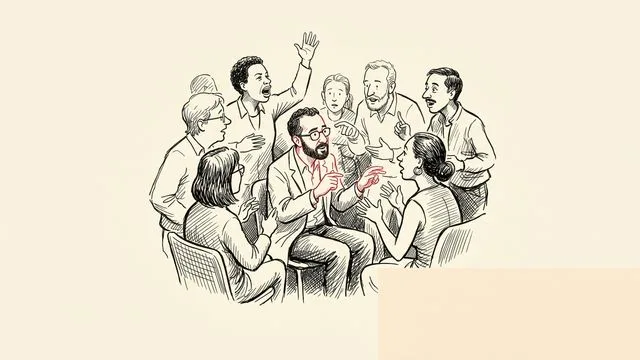
Dr. K Walked Into Chaos and Won the Room
Dr. K's Tiger Belly appearance is a masterclass in social dynamics. Here's what the Charisma on Command breakdown gets right—and what it glosses over.
AI vs. Human Brain: What’s Missing in the Machine?
Explore the gap between AI and human brain. Can neuroscience bridge it?
Dementia's Lessons: Living with Less Regret
Explore insights from dementia patients on living a life with less regret through self-improvement.
Living in the Now: Eckhart Tolle's Wisdom for Parents
Discover Eckhart Tolle's insights on mindfulness and presence, and how they relate to parenting.
How Roman Virtues Sparked a Renaissance Revolution
Explore how resuscitating Roman virtues in Renaissance Italy led to cultural shifts and the scientific revolution.

How to Make a College Tour Actually Matter
College tour season is here. Here's how families can shift from passive observers to active explorers—and why who leads the visit changes everything.
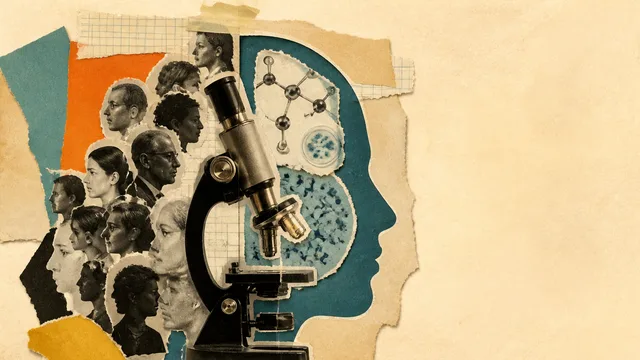
Public Trust in Science Is Fragile and Complicated
Trust in science is eroding—but the data is more complicated than the panic suggests. Here's what's actually happening, and why it matters.