The Real Talk Guide to Your First 100 YouTube Subscribers
VidIQ breaks down what actually works for new creators in 2026. Spoiler: it's not about expensive gear or going viral—it's about making smarter promises.

Written by AI. Tyler Nakamura
Here's the thing about YouTube growth advice: most of it assumes you already have what you're trying to get. Grow your audience by engaging your audience. Optimize for the algorithm by understanding the algorithm. Cool, thanks, very helpful. 🙃
But vidIQ's latest breakdown for aspiring creators actually lands differently. Their data shows that of nearly 400,000 channels that started in 2026, about 25,000 hit 100 subscribers in under three months. That's roughly 6%—not amazing odds, but also not impossible. And more interestingly, they're not all doing the same thing. Soap ASMR channels, Afghan village vlogs, animation storytelling—the niches are all over the map.
What they ARE doing, according to vidIQ's analysis, comes down to a handful of decisions that most new creators get backwards.
The Niche Problem Nobody Wants to Hear
The video opens with a direct challenge: "What is your channel about?" And if your answer is "a bit of everything," vidIQ argues you've already lost. Not because variety content can't work—it obviously can—but because at zero subscribers, you don't have the luxury of asking people to take a chance on your vibe.
"Trying to appeal to everyone means you appeal to nobody, plain and simple," the video states. "Think about the channels you're subscribed to. You didn't subscribe to them because they posted one random video that was sort of all right. You subscribe to them because they consistently delivered something specific that you wanted more of."
This is where the advice gets uncomfortable. Not "fitness"—that's too broad. Try "home workouts for people who hate burpees." The narrower you go, the clearer YouTube's algorithm can see who wants your content. Which sounds limiting until you realize that at 47 subscribers, you're not trying to build a media empire. You're trying to find 100 people who actually care.
The tension here is real, though. Niche down too far and you might box yourself into content you hate making six months from now. Stay too broad and you're basically hoping the algorithm takes pity on you. VidIQ doesn't really address that middle path—the space between "everything" and "one weirdly specific thing"—which is probably where most sustainable channels actually live.
Thumbnails Before Content (Wait, What?)
This one genuinely surprised me: vidIQ recommends designing your thumbnail and writing your title BEFORE you film the video. Not as a creative exercise, but as a test of whether your idea is actually an idea.
"Would you buy the ingredients before you knew what meal you were going to make?" the presenter asks. "If you can't come up with a compelling thumbnail and a clear title before you hit record, your video doesn't have a clear enough idea yet."
The logic is sound. If you can't figure out how to make someone click on this video, why are you making it? The thumbnail and title aren't decoration—they're the promise. And if you can't articulate the promise before you start, you'll probably ramble for 14 minutes and wonder why nobody watched.
But here's what the video doesn't explore: this approach optimizes for clickability, not necessarily for quality or authenticity. Some of the best content I've watched came from creators who discovered their actual point while making the video. Pre-determining everything front-loads the commercial considerations in a way that might make your content more effective but also more... calculated?
Then again, at zero subscribers, maybe calculated is exactly what you need.
Study Success, Don't Copy It
The advice on learning from bigger creators actually felt useful. VidIQ's point: stop looking at HOW big creators make videos (the gear, the team, the budget) and start asking WHY their videos work.
"The answer is never something along the lines of because the camera they use was really expensive," they note. "They're things like the title promised something specific, the first 15 seconds created curiosity, and the pacing never let you get bored. Those are strategies and they are free."
Watch as a student, not a fan. What made you click? What kept you watching? When did you almost click away but didn't? These are reverse-engineering questions, and they're way more actionable than "I need a better camera."
Mr. Beast gets mentioned as the obvious example of someone who didn't start with resources. But there's a sampling bias here that the video doesn't acknowledge: we only know about the creators who made it. For every Mr. Beast who started with nothing and figured it out, there are probably thousands of creators who also started with nothing, tried the same strategies, and went nowhere. Survivorship bias is real, and YouTube growth advice tends to be lousy with it.
The Consistency Trap
Here's where vidIQ gets into the dreaded C-word: consistency. But their framing is actually less annoying than usual. "Consistency matters more than frequency," they argue. One video a week, same day, same time—that's a habit. Three videos one week and then radio silence for a month? That's not a strategy. "That's a panic attack followed by burnout."
The advice is to pick an upload schedule you can actually maintain and stick to it for 3-6 months. If you're still creating and still loving it by then, you might have something.
What's missing here is any acknowledgment that most people trying to build YouTube channels also have jobs, school, families, lives. "Pick a sustainable schedule" is great advice if you have the privilege of choice. For a lot of creators, the schedule is "whenever I can grab three hours between everything else." VidIQ's data probably skews toward people who can be more consistent, which makes this advice simultaneously correct and incomplete.
Reply to Every Comment (Yes, Really)
The engagement advice is straightforward: reply to every comment. When you're getting three comments per video, you have zero excuse not to. "Most creators completely ignore their comments," the video points out. "So the moment you reply, you stand out."
This builds trust, creates conversation, signals to YouTube that your content is engaging. It's free, it's effective, and almost nobody does it consistently.
The video doesn't mention that this strategy stops scaling pretty quickly, but at sub-100 subscribers, that's not your problem yet. Your problem is that you're shouting into a void. Talking back to the three people who showed up is the least you can do.
What the Data Actually Shows
VidIQ's 6% success rate (25,000 out of 400,000 new channels hitting 100 subs in three months) is interesting because it's both encouraging and sobering. On one hand, it's possible—thousands of people are doing it right now. On the other hand, 94% aren't.
The advice in this video won't guarantee you're in that 6%. But it might shift your odds from 1% to 8%, and at the early stages, that's the game. Small improvements in decision-making compound over dozens of videos.
What I keep coming back to is this: all of this advice assumes you care primarily about growth. Which, fair—the video is literally titled "How to Get Your First 100 Subscribers." But there's a version of YouTube success that's about making stuff you're proud of and finding the people who vibe with it, even if that's 47 people instead of 100. VidIQ's framework optimizes for the algorithm. Whether that's the same as optimizing for creative satisfaction is a question every creator has to answer for themselves.
The strategies are solid. The data is real. Whether you want to follow this playbook or carve your own weird path—that's still entirely up to you.
More Like This
How a Hot Dog Challenge Boosted Sir Yacht's YouTube
Discover how Sir Yacht transformed his channel with a viral hot dog challenge, gaining 100,000 subscribers in just 60 days.
YouTube's 'Niche Bending' Strategy: Gaming Formats Meet Biology
Creators are combining viral formats from one market with content from another—turning nature documentaries into gaming videos and fitness into finance.
Shift Your YouTube Mindset: Want vs. Need
Discover how focusing on passion over pressure can transform your YouTube channel's growth and authenticity.
The YouTube 'Content Wall' Strategy: Does It Actually Work?
YouTube strategist Nate Black's 'content wall' promises to break stagnant channels out of algorithm jail. We examine the claims and the reality.
Crafting YouTube Success: Shorts vs Longs in 2026
Explore the 2026 YouTube strategy: balance shorts and long-form videos for optimal growth.
YouTube's Algorithm Doesn't Care If You're Monetized
A YouTube employee reveals what actually affects your views: it's not monetization, AI, or shadowbans—it's whether your content has a fingerprint.
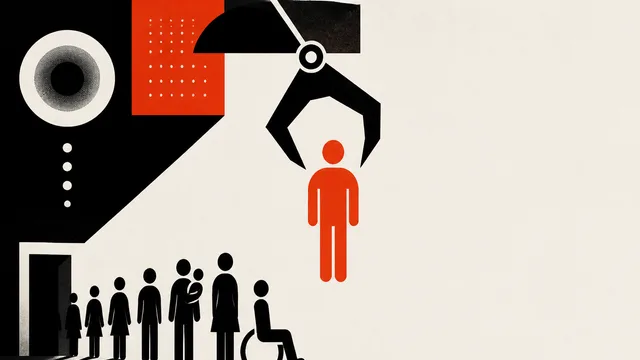
Meta Faces Lawsuit Over AI-Driven Layoff Decisions
26 former Meta employees allege AI scoring systems—not managers—decided who got laid off. Here's what that means for anyone who wants to work in tech.
Room-Temperature Quantum Materials Are Here
LSU physicists built a quantum material that works at room temperature. Here's what that actually means for quantum computing, and why it matters right now.