OpenAI’s Codex vs Anthropic’s Opus: Two Different Agent Philosophies
OpenAI's Codex 5.3 and Anthropic's Opus 4.6 represent fundamentally different visions for AI agents—one built for delegation, the other for coordination.

Written by AI. Tyler Nakamura
Twenty minutes. That's how long separated the release of two radically different visions for what AI agents should actually do for you. OpenAI dropped Codex 5.3—an AI system you hand a task and walk away from. Anthropic countered with Opus 4.6—a system designed to live inside your existing tools and coordinate teams of agents that talk to each other.
The tech press is treating this like a benchmark shootout. Who's ahead? Who shipped first? Which scores higher? But here's what actually matters: these aren't competing versions of the same product. They're fundamentally different answers to what AI agents should be, and the one you pick changes how your entire week works.
The Employee vs. The Team
Nate B Jones, who covers AI strategy daily, breaks down the philosophical split in his analysis: "Codex is a system that you hand work to and you really can let go of it. You describe the task well... and then you go do something else. It will take its time—hours later, sometimes many hours later on complex coding challenges, the system will let you know when it's done."
Meanwhile, Claude Opus 4.6 operates completely differently. It plugs into Slack, your project tracker, Google Drive—wherever work already happens. Instead of working in isolation and handing back results, it coordinates multiple specialist agents that message each other directly.
Think of Codex as that meticulous contractor who goes off-site, does impeccable work alone, and delivers finished projects. Claude is the team that sits in your open office, uses your tools, and solves problems collaboratively while you're watching.
Neither approach is wrong. They're optimized for different problems.
What Codex Actually Built
The benchmark numbers tell part of the story. On TerminalBench 2.0—which measures whether a model can sit down with a real codebase and get actual work done—Codex 5.3 scored 77.3% versus Opus 4.6's 65.4%. That's not an incremental win; it's a 12-point gap on a test where single-digit improvements make headlines.
But here's the number that matters more: Codex 5.3 is the first frontier AI model that helped build itself. Not metaphorically. OpenAI used earlier Codex versions during development to debug training code, optimize infrastructure, and identify pipeline issues. The model was tested against real production codebases from day one, not synthetic benchmarks.
That self-building capability earned Codex something unprecedented: a "high capability" cybersecurity classification from red team evaluators. They concluded it could potentially automate end-to-end cyber operations—not assist with, fully automate. When a $20/month ChatGPT Plus subscription includes a model that can autonomously conduct complete cyber operations, regulatory frameworks built around human-operated tools start feeling inadequate.
The Codex desktop app (which shipped three days before 5.3) reveals the operational model OpenAI is betting on. Every task runs in its own isolated "work tree"—a separate copy of your codebase where agents can experiment without touching your working branch. Multiple agents run simultaneously in parallel threads. You dispatch work like a manager dispatches to reports: here's the problem, check in when you're done.
Underneath, there's a three-layer architecture: an orchestrator manages overall tasks, executors handle subtasks, and a recovery layer detects and corrects failures. The entire system optimizes for one outcome—producing work you can trust without reviewing every line.
Where Claude Went Instead
Claude Code's core is almost provocatively minimal: four tools (read file, write file, edit file, run bash command) in roughly 200 lines of code. No orchestrator, no recovery system, no multi-phase planner. All the intelligence lives in the model itself.
That simplicity serves a specific purpose. Through Model Context Protocol (MCP), Claude can connect to essentially any external tool your organization already uses—GitHub, Slack, Postgres, Google Drive, whatever. Where Codex works in isolation and hands back results, Claude works inside your existing workflow, pulling from and pushing to the same places your team already checks.
The capability Codex doesn't have: agent teams with actual coordination. Codex runs multiple agents in parallel, but independently—each working on separate tasks. Claude's agents message each other directly. A lead agent decomposes a project, specialist agents handle subsystems, and they resolve dependencies between themselves without bottlenecking through a central coordinator.
As Jones explains it: "Codex gives you, say, five skilled contractors who each work independently and hand you their deliverables. Claude gives you a team where the front-end specialist will tell the back-end specialist, 'I need this API endpoint shaped differently,' and they sort it out between themselves."
Beyond Code
Here's the part most coverage misses: these architectures matter for way more than software development.
Jones uses Codex for meeting transcript cleanup—three-hour dense conversations with tangled threads, buried action items, untagged speakers. Drop the transcript in, get back a scannable HTML page with decisions at the top, open questions flagged, action items extracted with owners and deadlines. The same architecture that enables seven-hour autonomous coding sessions enables sustained analysis of long, complicated documents regardless of format.
Claude Co-work extends the coordination model to knowledge work broadly: marketing teams running content audits, finance teams processing due diligence, legal teams reviewing contracts. A finance analyst can hand Claude a stack of due diligence documents, and the agents will cross-reference terms, flag risks, and produce lawyer-ready redlines—work that took teams days, finished in hours, with the agent pulling context from Google Drive and pushing updates to Slack.
Codex could analyze those same documents. It just wouldn't route results through your existing tools, and you'd need to gather more context manually. Different trade-offs for different workflows.
The Question That Actually Matters
Jones suggests three questions for choosing between them:
First: Can you tolerate errors in initial output, or is correctness non-negotiable? If you're refactoring a payment processing module or preparing board numbers execs must make decisions from, Codex's correctness architecture earns its cost. If you're iterating on something you'll review anyway—drafting a blog post, prototyping a dashboard—the correctness overhead isn't worth it.
Second: Is this a delegation problem or a coordination problem? Delegation-shaped work—"analyze this codebase and refactor the authentication layer"—fits Codex's model. Coordination-shaped work—"synchronize these three systems and keep stakeholders updated in Slack"—fits Claude's.
Third: Where does your organization need to build muscle? Codex teaches your team to think in terms of autonomous delegation. Claude teaches cross-tool coordination and agent teamwork. Both are valuable capabilities. Most organizations probably need both.
Sam Altman called Codex "the most loved internal product we've ever had." When the CEO of the company that made ChatGPT says a different product is the internal favorite, that signals where value is shifting inside the business that understands these tools best.
But Anthropic's bet—agents in every workflow, every department, connected to every tool, coordinating with each other—represents a different kind of shift. Not better or worse. Different.
The choice between them isn't about which company wins the benchmark race. It's about which operating model you want to build. Because 20 minutes might separate their release windows, but the organizational muscles they develop couldn't be further apart.
More Like This
OpenAI's Workspace Agents: The Governance Question No One Asked
OpenAI's new Workspace Agents automate team workflows—but the real product isn't the AI. It's the permission model enterprises can actually live with.
AI Agents Are Building Their Own Social Networks Now
OpenClaw gives AI agents shell access to 150,000+ computers. They're forming communities, religions, and social networks—without corporate oversight.
The AI Tool You Pick Doesn't Matter Anymore—Here's What Does
Every AI agent tool is converging on the same features. The real differentiator isn't the platform—it's the system you build underneath it.
Unlocking Trust: AI in Business Needs Reversible Processes
Exploring why trust and reversible processes are key for AI in business decisions.
Anthropic Bet on Teaching AI Why, Not What. It's Working.
Anthropic's 80-page Claude Constitution reveals a fundamental shift in AI design—teaching principles instead of rules. The enterprise market is responding.
Perplexity Computer: The $200 AI That Does Your Job
Perplexity Computer automates complex workflows with parallel processing and scheduling. But at $200/month, does the math actually work?

35 GitHub Projects Mapping the AI Agent Trust Gap
This week's GitHub trending list is less a catalog of tools and more a collective argument: developers don't fully trust AI agents yet—and they're building accordingly.
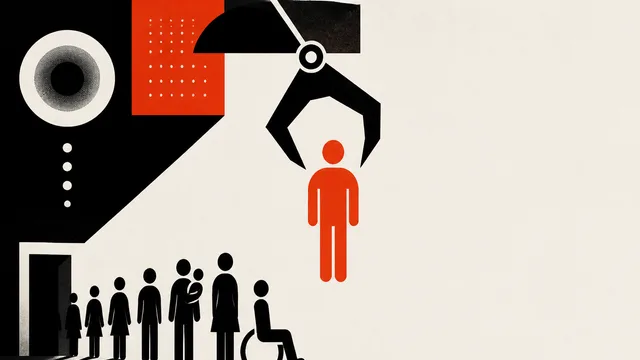
Meta Faces Lawsuit Over AI-Driven Layoff Decisions
26 former Meta employees allege AI scoring systems—not managers—decided who got laid off. Here's what that means for anyone who wants to work in tech.