How Instagram Rewires Your Brain
Explore how Instagram manipulates brain chemistry and impacts mental health, especially in adolescents. Discover potential solutions.

Written by AI. Mei Zhang
In the ever-evolving world of social media, platforms like Instagram have become a potent force in shaping how we think, feel, and interact. But what happens when this digital playground starts to feel more like a psychological labyrinth? Hank Green from SciShow dives into the science behind how Instagram and other social media sites tap into our brain's reward systems, making them irresistibly addictive.
The Allure of the Like
Let's start with the basics: why do we love likes so much? According to a study highlighted by Green, the brain's reaction to receiving likes on Instagram is akin to hitting the jackpot at a casino or enjoying a chocolate bar. Likes stimulate the brain's reward pathways, which are the same circuits activated when we receive a compliment or achieve a personal goal. This is not just a metaphor—MRI scans show defined neural activity linked to these interactions. So, when you're scrolling through your feed and double-tapping on that cute puppy photo, your brain is having a mini celebration. 🎉
But there's a twist. Social media isn't just a one-way street of dopamine hits. It can also mold your brain's structure, particularly in areas governing emotion and impulse control. This transformation is linked to what's known as "social networking site addiction," characterized by behaviors such as dependence and withdrawal, much like other well-known addictions.
Adolescents in the Crosshairs
Adolescents, it turns out, are particularly vulnerable to these digital dopamine loops. A 2023 longitudinal study involving 169 middle schoolers, which Green discusses, found that high social media use is associated with different brain responses when compared to their less-engaged peers. With almost half of these students using social media constantly, the study noted changes in brain regions related to processing social rewards and impulse control.
However, the chicken or egg dilemma persists—are these brain changes a result of social media use, or is social media simply capitalizing on pre-existing neural tendencies? Either way, it's clear that adolescents often end up in worse moods after engaging with these platforms, possibly due to the emotional roller coaster of fluctuating likes and interactions.
Navigating the Digital Jungle
Social media's addictive qualities aren't just about personal gratification; they're also embedded in the algorithms that determine what we see. These algorithms amplify content that keeps us engaged, often prioritizing sensational or emotionally charged material. A 2024 paper verified by SciShow suggests that attention-grabbing headlines are frequently shared without being read, which raises questions about how misinformation spreads like wildfire.
The implications are profound. We find ourselves in a world where distinguishing between real and manipulated information—like deepfakes—becomes increasingly challenging. As Green mentions, studies reveal that people struggle to accurately identify deepfakes, which blurs the line between reality and digital fiction.
Potential Solutions
So, how do we untangle ourselves from this digital web? One option is to redesign algorithms to promote healthier interactions, perhaps by increasing transparency around why certain posts appear in your feed. This could empower users to take control of their digital environments.
On a more personal level, fostering media literacy and creating peer-led support groups can equip young people with the tools they need to navigate social media mindfully. By understanding the mechanics behind these platforms, users might be better positioned to enjoy the benefits of social media without falling into its traps.
Ultimately, the relationship between social media and our brains is a dynamic and ever-changing puzzle. As we continue to explore this digital frontier, perhaps the most empowering step is to remain curious and informed, ready to adapt as this landscape evolves.
More Like This
Space Stations Beyond the ISS: A Forgotten History
From a Cold War spy base to a Soviet ice rescue to China's chicken-wing oven in orbit — the real history of space stations is wilder than you think.
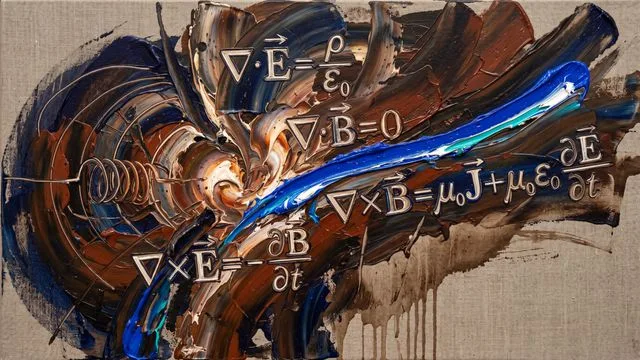
The Blacksmith's Son Who Rewired the World
Faraday discovered the laws of electromagnetism with no formal training. Maxwell had to translate his truth into math before anyone believed it. Sound familiar?
Magnetic Mayhem: 400 Car Batteries Unleashed
Explore the electrifying effects of extreme currents as a nuclear engineer reacts to a wild experiment with 400 car batteries.

Shungite: Ancient Rock with Modern Potential
Explore the ancient origins and modern applications of Shungite, a unique carbon-rich rock with potential in tech and construction.
How a Single Hack Nearly Crippled the Internet
A 2021 hack nearly exposed millions of servers, highlighting the risks in open-source software's reliance on individual contributors.
Why Parsecs Puzzled Neil deGrasse Tyson
Neil deGrasse Tyson unpacks why the parsec is an awkward unit in science, even embarrassing for an astrophysicist.
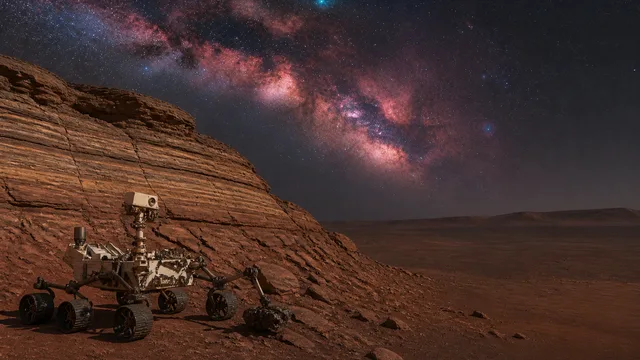
Curiosity at Sol 4948: Reading Mars Like a Genome
Curiosity Rover hit Sol 4948 in Gale Crater. What its mineralogy tells us about Mars' chemical autobiography—and why that question is getting urgent.
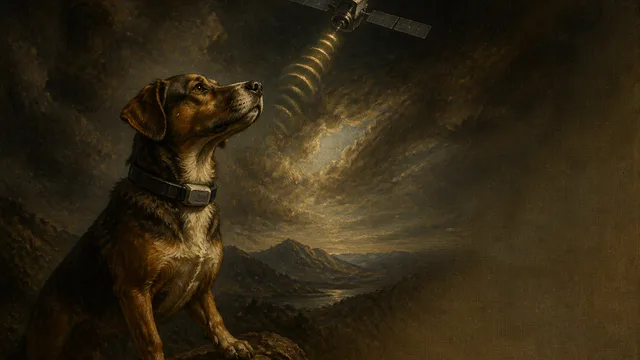
Starlink Dog Collars Track Pets From Space
Fi's new Ultra collar uses Starlink to track dogs anywhere in the U.S. — and a rival AI-powered collar is right behind it. Here's what that really means.