Decoding Human Behavior: Grief as a Hidden Driver
Explore how underlying grief from childhood shapes adult behavior and interactions.

Written by AI. Samir Patel
Decoding Human Behavior: Grief as a Hidden Driver
Understanding human behavior often feels like trying to solve a complex puzzle. According to Chase Hughes in his recent video, most of us are looking at the wrong pieces. He argues that the true drivers of behavior are rooted not in beliefs or logic, but in the nervous system's ongoing quest for safety, approval, and power. It's a perspective that shifts the focus from surface-level interactions to a deeper, often hidden layer where real decisions are made.
The Childhood Triangle: A Blueprint for Emotional Reactions
Hughes introduces the concept of the childhood triangle, comprising three primal needs: being liked, feeling safe, and seeking rewards. These needs, he suggests, are engrained in us from ages 0 to 10 and continue to influence our adult interactions. Whether it's feeling unworthy at a party or tensing up at criticism, these reactions are echoes of childhood experiences.
“All of that, every single bit of that is a younger version of you trying not to be left behind again,” Hughes explains.
This idea challenges the notion of maturity as a fixed destination. Instead, maturity is presented as a continuous journey of understanding and managing these deeply embedded scripts.
Behavior as Encrypted Grief
Hughes proposes that what we often label as negative behavior is, in reality, grief in disguise. When someone overreacts, it's not about the immediate trigger but about an underlying fear of loss. This perspective reframes our understanding of irrational behaviors as defense mechanisms rather than dysfunctions.
Steps to Decode Behavior
- Listen for Disproportion: Identify when a reaction is larger than the situation warrants.
- Identify Fear of Loss: Ask what the person (or you) is afraid of losing.
- Speak to the Loss: Address the emotional root rather than the logical facade.
This approach requires empathy and patience, recognizing that the goal is not to fix but to understand.
The Myth of the Grown-Up
The video dismantles the conventional notion of a "grown-up," arguing that age or responsibilities do not equate to emotional maturity. Many adults perform adulthood, masking unresolved childhood issues with societal expectations and achievements.
“The body’s going to keep growing whether you like it or not. But the soul...stops growing the minute that you pretend that you have arrived somewhere.”
This insight calls for a reevaluation of how we perceive growth and maturity, emphasizing the importance of continuous emotional development.
Implications for Personal Growth
Hughes critiques the self-help industry, suggesting that much of it is superficial and ineffective. Instead, he advocates for a deeper understanding of personal history and emotional triggers. This understanding, he argues, can transform how we interact with ourselves and others, leading to more authentic connections.
As you navigate your own emotional landscape, consider this: What if the behaviors you've been trying to change aren't broken but are simply grieving? This reframing can shift your approach from fixing to understanding, fostering a more compassionate view of yourself and others.
More Like This
Breaking Free from Limiting Cognitive Scripts
Explore how cognitive scripts impact decision-making and learn strategies to break free from limiting patterns in life, career, and relationships.
The Emotional Resonance of Sound: Teresina's Journey
Explore how Teresina Kerubo uses sound to navigate love and grief, finding peace through recorded memories.
Unpacking Influence: Beyond Scripts and Techniques
Explore how true influence taps into emotional depths, beyond logical persuasion.
Navigating Context: Why Holidays Change You
Discover how context affects behavior during holidays and strategies to maintain control.
Brainwaves and Communication: Beyond Words
Exploring how brainwave tech could revolutionize emotional communication.

Masculinity Myths That Keep Men Emotionally Stuck
Coach Joe Hudson and Charisma on Command break down five masculinity myths—on vulnerability, grinding, emotions, childhood, and guilt—that quietly hold men back.
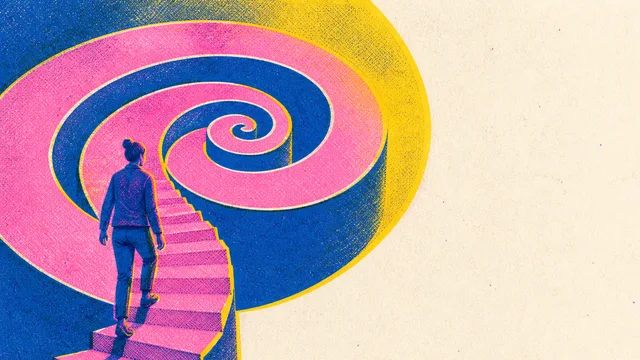
What Pi Can Teach Us About Feeling Stuck
Nehir Kırkgöz's TEDxVUAmsterdam talk reframes the feeling of being stuck—using pi's infinite, non-repeating nature as a lens on personal growth and resilience.
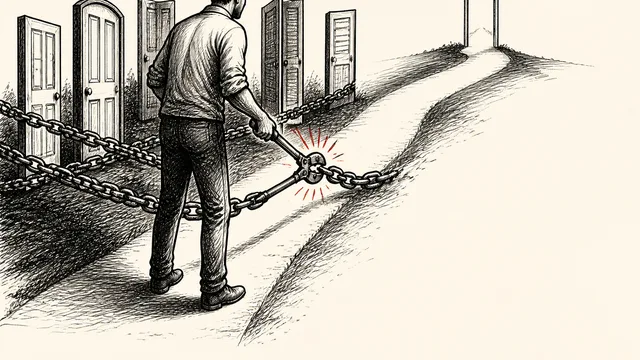
Discipline Is About Removing Options, Not Building Willpower
Mark Manson argues discipline has nothing to do with willpower—it's about eliminating choices. Here's what the research says, and what the theory leaves out.