C++ APIs: Lessons from Code Review at CppCon
Explore modern C++ API techniques with Ben Deane's insights from CppCon 2025.

Written by AI. Mike Sullivan

C++ and the Search for the Holy Abstraction Grail
Remember the 80s? Back when the Walkman was cutting-edge and we thought VCRs were the pinnacle of technology? Fast forward to today, and now we have Ben Deane at CppCon 2025 talking about modern C++ API techniques. Apparently, some things never change—like the quest for better abstraction in programming.
Deane, who's been programming in C++ since the mid-90s, shared his insights from code reviews, focusing on improving code quality and efficiency in embedded C++ systems. It's like listening to someone explain how they streamlined cassette tape operations—fascinating, sure, but you wonder if there's an app for that now.
Code Reviews: The Unending Saga
Ben Deane's talk at CppCon started with a reality check: "All code is bad," he quipped. Now, that’s a statement with the kind of existential dread you'd find in a Beckett play, but Ben's point is that we often fail to see the flaws in our own domains. Code reviews help us step back and see the forest for the trees—or the bugs for the spaghetti code, if you will.
Deane emphasizes the importance of raising the level of abstraction, a concept as old as the hills but still as elusive as ever. His approach? Move beyond "magic numbers" and "magic operations," which, if you remember early computing, is similar to avoiding hard-coded Easter eggs in your BASIC scripts.
Modern C++: More Than Just a New Coat of Paint
Deane argues that C++ has evolved, and so should our techniques. He champions modern C++ features, like compile-time programming and template metaprogramming, which sound a lot like the "turbo" modes promised in vintage PC ads—faster, better, but not always plugged in.
He suggests using the Standard Template Library (STL) at compile time, a shift from traditional runtime use. "The truth is most of the advice and the code you find out in the wild has not kept up with the pace of C++," he noted. It's like finding out your favorite 90s band has been making albums all along—you just weren't listening.
The API Renaissance: Making Code Great Again
In an era where "zero-cost abstractions" are the buzzwords of the day, Deane is on a mission to simplify and clarify code. He shared practical examples of how to replace bit manipulation with more readable abstractions, like using "bit packing" and "bit unpacking" techniques. Think of it as switching from dial-up to broadband—suddenly, everything's faster and clearer.
Deane's talk also tackled the perennial issue of type safety in C++. His solution? Treat registers like bit sets, allowing for clearer, more maintainable code. It's a bit like upgrading from a rotary phone to a smartphone—suddenly, you're not just making calls; you're sending emails, checking apps, and wondering how you lived before.
The New Frontier: Embedded Systems and C++
Deane brought his insights into the embedded systems world, a domain where C++ is still finding its footing. "You might think you know what it means to write C++ on embedded systems," he said, "but the truth is, most advice hasn't kept up with C++ 20 and beyond." For those who remember programming on a Commodore 64, this is like discovering your old machine can now run Doom.
CppCon's API Lessons Still Apply
In the end, Deane's talk was a reminder that while technology evolves, the core challenges remain the same—write clean, efficient, and maintainable code. It's a bit like those 90s sitcoms that still hold up today: the jokes are timeless, even if the fashion isn't.
For those interested in diving deeper into these concepts, the slides and more resources are available on CppCon's GitHub. Just don't expect them to replace your trusty old assembly language skills anytime soon.
More Like This
Navigating Git Workflows: Which One Fits Your Team?
Explore GitFlow, GitHub Flow, and Trunk-Based Development to find the best workflow for your team.
Unlocking C++ Performance: The Cache-Friendly Approach
Explore cache-friendly C++ techniques to boost performance by understanding CPU caches and data structures.

How APIs Work and Why They Matter for AI
APIs are the connective tissue of modern software—and AI is making that architecture more consequential than ever. Here's what you need to know.
Why Custom Memory Allocators Still Matter in Modern C++
Kevin Carpenter's CppCon talk demonstrates that even with modern C++ features, custom allocators remain essential for performance-critical applications.
Revitalizing C++: Balancing Safety, Efficiency, and Legacy
Exploring C++'s evolution towards safety and efficiency amidst rising competition from languages like Rust.
C++26: New Features and What They Mean for You
Explore C++26's new features like static reflection, contracts, and more.
IBM NanoStack and the Future of Chip Architecture
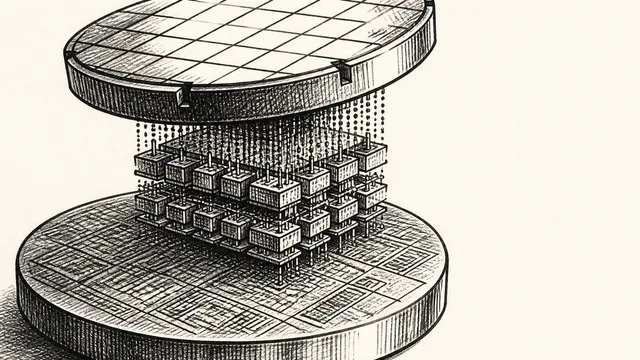
IBM's NanoStack stacks transistors from separate wafers using atomic bonding. The physics works. The harder question is whether anyone can manufacture it at scale.

Inside the Smartphone: 120 Years of Hidden Engineering
Professor Hannah Fry tears apart a modern smartphone to trace 120 years of engineering history — from Marconi's radio waves to a 200-million-pixel camera sensor.