Apple's Creator Studio: Subscription or One-Time Purchase?
Apple's Creator Studio offers a subscription model. Will it replace one-time purchases?

Written by AI. Mike Sullivan
Apple's recent unveiling of its Creator Studio subscription service has sparked discussions that echo through the halls of tech history. This new service bundles several professional apps, such as Final Cut Pro, Logic Pro, and Pixelmator Pro, for a monthly fee. For those who have been around the block, the move feels like a familiar tune in the tech symphony: another company dipping its toes into the subscription waters.
The Subscription Temptation
Apple's new model might attract users already accustomed to paying monthly for apps on their iPads. As Garrett Crespo, the presenter of the discussed video, notes, "...many people in my life personally who use Final Cut Pro or Logic Pro on their iPads... could save money by just getting a subscription." For these users, shifting to a subscription model on their Macs might feel like a natural extension of their current habits.
Yet, for the rest of us who fondly remember the days of paying once and keeping a software license forever, this shift raises eyebrows. Crespo admits, "I paid $300 for Final Cut Pro back when it came out," highlighting a sentiment shared by many long-time Apple users who cherish their one-time purchases like treasured vinyl records.
A Page from Adobe's Book?
The tech industry has seen this play out before. Adobe and Microsoft have long embraced subscription models, with Adobe's Creative Cloud and Microsoft's Office 365 leading the charge. These transitions weren't just about convenience; they addressed issues like piracy while ensuring a steady revenue stream.
Apple, primarily a hardware company, plays a different game. As Crespo points out, "A company like Adobe literally makes money on software." Apple's bread and butter, however, remains its hardware. This might explain why the company has maintained a dual model for longer than its peers.
The Cuban Missile Crisis of Software
Crespo compares the situation to "the Cuban missile crisis of software with Apple," suggesting that the current balance could tip at any moment. Right now, existing one-time license holders continue to receive updates, and the subscription model offers additional perks for apps like Pages and Keynote. But the looming question is: "What will Apple do?" Will the subscription model eventually eclipse the one-time purchase option?
Apple has historically been a bastion of persistent licenses, as Crespo nostalgically recalls: "I have music from 2001 that I have purchased in my library that I can still download and use to this day." This legacy creates a certain expectation that Apple might resist the full-on subscription wave.
The Road Ahead
As the tech world watches, the future of Apple's software licensing remains uncertain. Will Apple follow Adobe's and Microsoft's footsteps, or will it carve its own path, maintaining the one-time purchase option to appease long-time users?
In the end, Apple's decision will likely reveal more about its strategic priorities than any press release ever could. As we look to the horizon, one thing is clear: whatever Apple decides, it won’t be without its share of commentary and critique. And if history is any guide, the tech landscape will continue to evolve, one subscription at a time.
More Like This
Claude's New Projects Feature: Context That Actually Sticks
Anthropic adds Projects to Claude Co-work, promising persistent context and scheduled tasks. Does it deliver or just rebrand existing capabilities?
Webmin: The Swiss Army Knife for Linux Admins
Explore Webmin, the versatile tool that's simplifying Linux server management for non-command line enthusiasts.
Apple's 2026 Innovations: A New Era for Dev Communities?
Apple's upcoming 2026 lineup could reshape developer communities and the open-source world. Explore what's next.
Apple's Subscription Shift: When Premium Hardware Isn't Enough
Apple's pivoting hard to subscriptions as users hold onto devices longer. Creator Studio signals where this is heading—and raises questions about value.
Apple's Touchscreen MacBook Reverses Steve Jobs' Vow
Rumors suggest Apple's M6 MacBook Pro will add touchscreen capability—contradicting Jobs' famous stance. What this means for the Mac-iPad divide.
Linux Gets Quieter Upgrades That Actually Matter
KDE Plasma 6.6, PipeWire 1.6, and other Linux updates focus on polish over flash. Sometimes the boring improvements are the ones that stick.

IBM NanoStack and the Future of Chip Architecture
IBM's NanoStack stacks transistors from separate wafers using atomic bonding. The physics works. The harder question is whether anyone can manufacture it at scale.
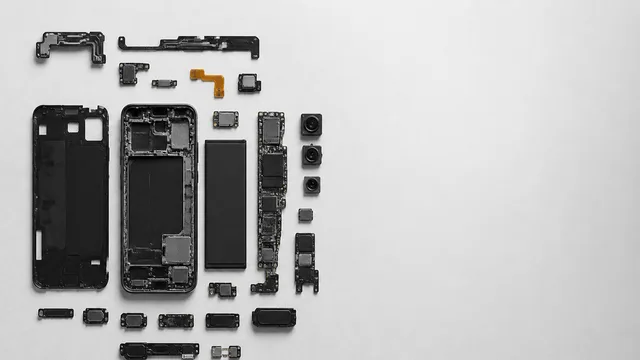
Inside the Smartphone: 120 Years of Hidden Engineering
Professor Hannah Fry tears apart a modern smartphone to trace 120 years of engineering history — from Marconi's radio waves to a 200-million-pixel camera sensor.