Unexplained Calls: Echoes from the Past
Explore eerie stories of calls from the dead, their impact on military and emergency responses.

Written by AI. James Morrison
Unexplained Calls: Echoes from the Past
The notion of receiving messages from the dead is something that straddles the boundaries of both folklore and science fiction. Yet, stories of such phenomena persist, compelling us to question the very nature of communication. This article examines three such stories, featured in a recent video by The Why Files, while exploring their historical and policy implications—particularly in military contexts.
Calls from the Dead
In 2008, Charles Peek, a victim of a tragic train crash, allegedly made 35 phone calls to loved ones posthumously. Rescue teams, guided by these calls, worked tirelessly to locate him, only to find that Peek had died instantly in the crash. The phone that supposedly made these calls was never found, adding a layer of mystery to the tragic incident.
These stories challenge our understanding of telecommunications. Historically, the military has often been at the forefront of developing communication technology, from the telegraph to modern satellite systems. During World War II, for instance, radio technology was pivotal in battlefield strategy. The unexplained communication from Peek's phone echoes the wartime need for reliable technology that can operate under duress.
Historical Precedents and Military Implications
The idea of communication across realms is not new. Thomas Edison famously worked on a "spirit phone," intending to bridge this world and the next, though he never completed it. Such endeavors highlight humanity's enduring quest to push the boundaries of communication.
In military operations, unexplained phenomena can have real-world implications. Consider the psychological warfare tactics employed during the Vietnam War, where eerie audio recordings were used to unnerve enemy soldiers. These tactics relied on the deeply ingrained human fear of the unknown, much like the fear invoked by stories of calls from the dead.
The Psychology of Grief and Technology
The psychological impact of receiving a call from a deceased loved one can be profound, offering families a semblance of connection and closure, or reopening wounds that had begun to heal. In the case of Charles Peek, his family's hope turned into despair when the reality of his death was confirmed.
This phenomenon is also reflective of our relationship with technology, which we often imbue with life-like qualities. A 1979 study documented over 100 cases of 'calls from the dead,' though the study's credibility requires further verification, especially the claim that 72% of these calls occurred within 24 hours of death.
Emergency Response and Policy Considerations
In military and emergency contexts, responding to unexplained signals can shift the focus from recovery to rescue. As seen in Peek's story, the rescue operation's dynamics changed entirely based on the perceived evidence of life. This underscores the importance of how signals—both understood and misunderstood—can impact decision-making in critical situations.
Policy-makers and military strategists must consider the implications of unexplained phenomena on operations and the psychological well-being of those involved. Training programs could benefit from incorporating scenarios involving unexplained signals, preparing personnel for both technological malfunctions and potential psychological impacts.
The Phone Rang, Nobody Was There
While the stories discussed in The Why Files video remain unexplained, they invite us to reflect on the intersections of technology, military history, and human psychology. As communication technology continues to evolve, so too may our understanding of these phenomena. Until then, the stories serve as a reminder of the complex relationship between life, death, and the signals that persist between.
More Like This

LIDAR Is Rewriting What We Know of Ancient Cities
Anthropologist Luke Caverns is planning the largest LIDAR scan ever done in the Amazon. What the technology finds may force a rewrite of ancient history.
Unraveling Rome's Dodecahedron Mystery
Exploring the enigmatic Roman dodecahedron, its theories, and historical significance in modern archaeology.
FBI's Struggle Against Omega 7: A Tale of Terrorism and Intrigue
Explore the FBI's complex investigation of Omega 7, a Cuban exile terrorist group, amid community challenges and evolving tactics.
Unveiling the Intricate Engineering of Runways
Explore the hidden complexities of runway design and how these choices impact safety and military operations.

Exploring Earth's Mysterious Portals and Their Legends
Dive into the legends and theories around Earth's enigmatic sites like the Bermuda Triangle and Zone of Silence.
UFO Encounters and Government Interest: Bledsoe's Story
Chris Bledsoe's UFO encounter in 2007 led to healing, government interest, and ongoing unexplained phenomena.
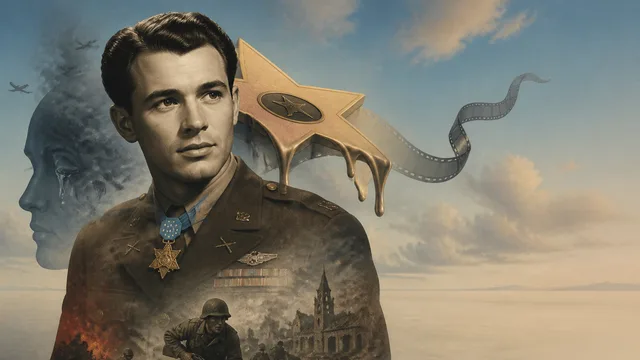
Audie Murphy: Soldier, Icon, and Haunted Man
Audie Murphy was America's most decorated WWII soldier. His battlefield heroism and Hollywood fame masked a man deeply scarred by combat and survivor's guilt.
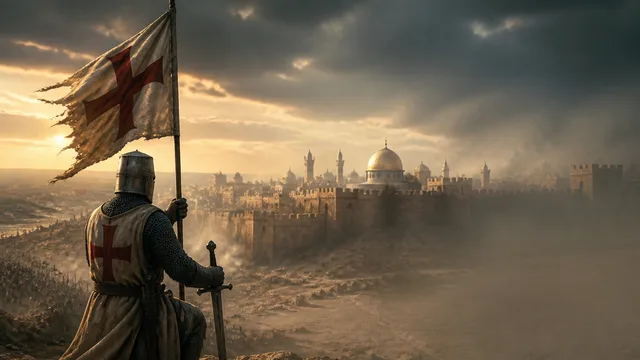
The Crusades: Two Centuries of Holy War Explained
From Pope Urban II's 1095 call to arms to the fall of Acre in 1291, the Crusades reshaped Christianity, Islam, and the medieval world permanently.