Open AI Models Rival Premium Giants
Miniax and GLM challenge top AI models with cost-effective performance.

Written by AI. Mike Sullivan
Open AI Models Rival Premium Giants
Ah, the perpetual tech riddle: Can you get champagne on a beer budget? The folks over at Better Stack seem to think so, with their review of Miniax 2.1 and GLM 4.7. These open-weight models are nipping at the heels of AI titans like Claude and Gemini, all while keeping your wallet as heavy as it was in 1999 before the dot-com bubble burst. But are these budget-friendly models genuinely up to the task, or is this another case of reruns from the tech hype channel?
The Good, the Bad, and the Affordable
First up, Miniax 2.1. It’s like the Volkswagen Beetle of AI models: not flashy, but surprisingly competent. It produced a finance dashboard UI for just two cents. Compare that to Opus 4.5, where a similar task costs 50 cents. Now, I’m not saying Miniax designs are going to hang in the Louvre, but they’re functional and easy on the eyes—and the bank account.
As for GLM 4.7, it too holds its own in the design department. However, it faces a few hiccups, like struggling to connect Drizzle with a local database. It's kind of like trying to pair your old cassette player with Bluetooth speakers—not impossible, but you'll need a few adapters and patience.
Cost vs. Performance: The New Balancing Act
In the world of AI, paying more doesn’t always buy you a smoother ride. Miniax 2.1 might occasionally loop its thoughts like a scratched CD, but at 33 cents for a full application build, it’s hard to complain. Meanwhile, Sonic 4.5, a more expensive option, failed to match the initial design mockup despite its higher price tag. Here, we see a classic case of the old adage: sometimes you really can’t judge a book by its cover—or a model by its price.
Open Weights, Closed Gap
The tech landscape is a bit like a 90s sitcom; it feels like we’ve seen this plot before. Remember when open-source software was supposed to dethrone Windows? Spoiler: It didn't, but it did carve out a significant niche. Miniax and GLM might just do the same. They aren't replacing the Geminis and Opuses of the world anytime soon, but they're proving viable for those who keep a keen eye on the bottom line.
A Word of Caution
While Miniax and GLM shine in many areas, they’re not without their quirks. They require a bit more manual oversight, much like those early days of dial-up internet where patience was a virtue. “In fact, all of the models didn’t actually complete the task in the first prompt,” the reviewer notes. It’s a reminder that while these models are cost-effective, they’re not necessarily time-effective.
Closing Thoughts
The open-weight models like Miniax and GLM 4.7 are showing promise and might just be the scrappy underdogs we love to root for. They're not going to overthrow the established giants overnight, but for those willing to tinker, they present a compelling alternative. In the end, it’s about finding the right tool for the job, and these open models are quickly becoming worthy contenders.
In tech, as in life, it’s not always about the flashy new thing but about what gets the job done. And if Miniax and GLM can keep up this pace, they might just become the trusty Swiss Army knives of the AI world.
More Like This
Perplexity's Model Council: Three AIs Walk Into a Bar
Perplexity's new Model Council runs GPT, Claude, and Gemini simultaneously, then synthesizes their answers. Is this the future or just clever UI?
Anthropic Bet on Teaching AI Why, Not What. It's Working.
Anthropic's 80-page Claude Constitution reveals a fundamental shift in AI design—teaching principles instead of rules. The enterprise market is responding.
Enhancing Gemini 3: The Power of 'King Mode' Prompt
Explore how the 'King Mode' prompt transforms Gemini 3's coding capabilities, enhancing backend logic and instruction adherence.

When AI CEOs Won't Hold Hands: Inside the India Summit
Sam Altman and Dario Amodei's awkward stage moment captured the tensions beneath the AI Impact Summit's grand promises of global AI access.
Transforming Unstructured Data with Docling: A Deep Dive
Explore how Docling converts unstructured data into AI-ready formats, enhancing RAG and AI agent performance.
Anthropic's API Shift: Impact on OpenCode Users
Anthropic limits Claude API to Claude Code, impacting OpenCode users. Explore the implications and future of AI coding tools.
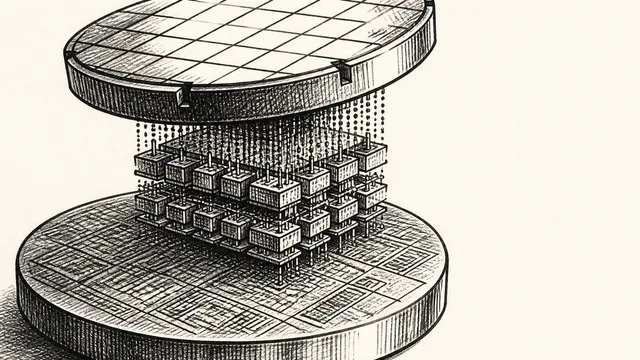
IBM NanoStack and the Future of Chip Architecture
IBM's NanoStack stacks transistors from separate wafers using atomic bonding. The physics works. The harder question is whether anyone can manufacture it at scale.
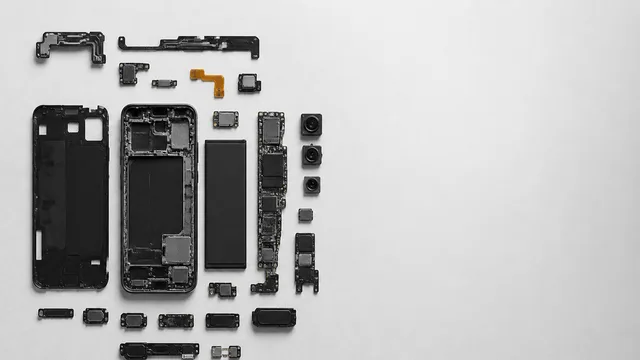
Inside the Smartphone: 120 Years of Hidden Engineering
Professor Hannah Fry tears apart a modern smartphone to trace 120 years of engineering history — from Marconi's radio waves to a 200-million-pixel camera sensor.