Consciousness Transfer: Science Fiction or Reality?
Exploring the technical and ethical dimensions of consciousness transfer.

Written by AI. Patricia "Pat" Hadley
Consciousness Transfer: Science Fiction or Reality?
In the cinematic tale recapped by FilmCrop, we encounter William, a scientist driven by personal loss to the fringes of ethical and scientific boundaries. His mission? To resurrect his deceased family by transferring their consciousness into synthetic bodies. This narrative, while fictional, echoes real-world technological advancements and the ethical quandaries they pose.
The Science Behind Consciousness Transfer
William's story hinges on the idea of transferring human consciousness from biological to synthetic forms—a concept that, while not yet realized, is rooted in existing scientific endeavors. Researchers in brain-computer interfaces and neural mapping are exploring how to digitize the human mind. The process involves creating a neural map, or connectome, which is essentially a digital blueprint of a person's brain activity. In the story, William attempts to copy a biological brain into a synthetic one, a technical feat that demands precision in neural mapping and data transfer.
Technical Challenges
The technical hurdles William faces are significant. For one, the problem of ensuring the transferred consciousness recognizes its new synthetic body is akin to issues faced in prosthetics and robotics, where a seamless human-machine interface is crucial. As William discovers, "the brain transfer fails because the mind is placed into the wrong body." This reflects a real-world challenge: how to maintain continuity of self when the physical form changes.
Ethical Quagmires
The ethical implications of consciousness transfer are as profound as the technical challenges. The story raises questions about identity, autonomy, and the morality of playing god. William's wife, Mona, encapsulates this when she cautions, "if it could speak, it could also feel," highlighting the potential suffering of synthetic beings with human consciousness.
Real-World Parallels
Consider the ethical debates surrounding cloning and artificial intelligence. Cloning raises questions about individuality and the rights of clones, while AI development often grapples with defining consciousness and moral responsibility. William's decision to erase one child's existence to fit into the available synthetic bodies mirrors the stark choices faced in resource-limited scenarios. His actions force us to confront what it means to prioritize one life over another.
Navigating the Future
As we edge closer to realizing aspects of this fictional tale, society must grapple with these ethical dilemmas. Transparency and regulation in scientific research will be crucial. William's story is a cautionary tale of obsession overriding ethics, with the line between life and death blurred by technological ambition.
The narrative ultimately suggests a collaboration between humanity and technology, where ethical frameworks guide scientific exploration. As William and his family escape the clutches of corporate control, we're reminded that the true battle lies not in the lab, but in maintaining our humanity amid technological evolution.
Patricia 'Pat' Morrison
More Like This

What Tolstoy Knew About Over-Processing
Tolstoy's War and Peace argues that every system kills the thing it tries to preserve. An audio engineer reads that and feels it in their bones.
Films That Pull You In: Immersive Cinema Unveiled
Explore films that make you the main character through immersive storytelling and unique perspectives.
Vermeer's Art: Timeless Reflections in Modernity
Explore Vermeer's art through identity, technology, and the timeless allure of his mysterious paintings.
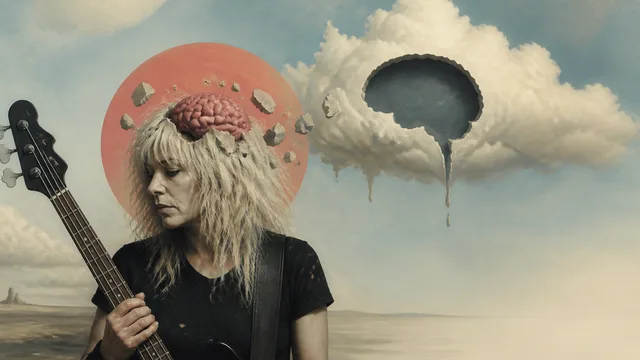
L7's Jennifer Finch Diagnosed With Aggressive Brain Cancer
L7 bassist Jennifer Finch has been diagnosed with aggressive brain cancer. What her diagnosis means for the instrument, the band, and musician healthcare.
Reimagining Chivalry: From Knights to Modern Narratives
Explore how chivalric ideals have evolved from medieval knights to modern concepts of equality and partnership.
Spotting AI Scams: A VFX Perspective
Explore how VFX artists expose AI scams in media and learn techniques to identify fake content.

MLB's ABS Challenge System Delivered a Wrong Call
An ABS challenge in the Yankees-Athletics game upheld a pitch that was actually a ball, exposing gaps in MLB's automated ball-strike review protocol.

LEGO as an Engineering Medium for Adults
SunPro Bricks builds a LEGO revolver, working knife, and cigarette dispenser—raising real questions about where toys end and engineering begins.