Anthropic's Interview Process Tests Your Ethics, Not Just Code
Anthropic's engineering interviews dig deeper than technical skills—they want to know if your moral compass aligns with theirs. Here's what that actually means.

Written by AI. Bob Reynolds
Most tech companies ask behavioral questions as a formality—something to fill the hour between the coding challenges that actually matter. Anthropic appears to have inverted that formula. According to a detailed breakdown from interview prep firm Exponent, the AI safety company has built what may be the most philosophically rigorous hiring process in technology today.
The distinction matters because it signals something about where AI development is headed, or at least where one well-funded player thinks it should be headed. When a company puts two interviewers in a culture fit round—one often shadowing to learn the process—they're not going through motions. They're building institutional muscle around something they consider existentially important.
The Recruiter Screen Has Teeth
Exponent's analysts note that Anthropic's recruiters are "aggressive and smart negotiators," which in my experience is code for "they're good at their jobs and you should be careful." The specific warning: recruiters may claim compensation isn't negotiable or frame initial numbers as fixed. Neither is true, according to the breakdown, which advises candidates to "remain a black box until you receive an offer."
This is standard Valley gamesmanship, but worth noting because it suggests Anthropic isn't so philosophically pure that it's abandoned practical recruitment tactics. They want ethical engineers. They also want them at a price.
Technical Questions Without Known Answers
The technical screening includes what Exponent calls "novel questions"—problems without established solutions that the interviewer doesn't necessarily know how to solve either. One example: designing an input batching system where a single GPU can process 100 inputs at a time but inputs are flooding in far faster than that.
This approach is either brilliant or frustrating depending on whether you're the company or the candidate. For Anthropic, it presumably reveals how engineers think when the map runs out. For candidates, it means you can't prepare by grinding LeetCode problems. The video notes this could go two ways: "Worst case, if you don't do it their way, they think you're wrong. I don't think that's how it's going to be anthropic most of the time. I think it's going to be this other way. They know that they don't know and they want to see you just go run with it."
That optimistic reading may be accurate. It may also be what interview prep companies tell candidates to keep them from panicking.
The Real Test Lives in the Final Round
The final round includes five interviews: system design, coding, project deep dive, behavioral, and culture fit. The culture fit round is where Anthropic's philosophical commitments come into focus.
They don't ask the question and move on. They ask the question, then go deeper. Then deeper again. The video walks through an example: "Tell me about a time you had a moral conflict at work." Then: "How did you resolve the moral conflict within yourself?" Then: "Who did you talk to?" Then: "What was their role?" Then: "What did they say?" Then: "How did they change your mind?"
As Exponent puts it: "These rounds are incredibly hard. You need to know your ethics. You cannot BS this. You cannot go off script and just wing it."
The questions center on AI safety and security. Can you explain a situation where you had an emotional conflict with work but still had to do it? If you had to choose between delivery and security, what would you do and why? The video suggests these aren't hypotheticals—Anthropic wants to understand how you've actually navigated moral complexity in engineering contexts.
What's interesting is the project deep dive, which candidates might expect to be deeply technical. Instead, Exponent reports it often focuses entirely on behavioral and cross-functional dynamics: "How do you resolve conflicts? How did you come to an agreement? How did you set goals? What metrics did you use to evaluate yourself?" Twenty minutes on the project itself, then 25 minutes on how you worked with other humans.
What This Actually Reveals
Put the pieces together and you get a portrait of a company trying to solve for something most tech firms don't think about until it's too late. They're not just hiring for technical ability—they're hiring for ethical alignment, and they've built process around it.
Whether this works is an open question. Interviewing for moral reasoning is notoriously difficult. People can describe principled positions they don't actually hold. They can genuinely believe things in an interview room that evaporate under production pressure. And even perfectly aligned teams can produce harmful outcomes when the technology itself is powerful enough.
But the attempt is notable. Exponent's assessment: "Unlike other hot AI companies where candidates are noping out of the process because of negative experiences, Anthropic seems to have a really well-run process." Fast-moving, responsive, positive candidate experience overall. They've separated behavioral and culture rounds, "which tells you how seriously they're taking culture."
The question isn't whether Anthropic's interview process is harder than Google's or Meta's—different companies optimize for different things. The question is whether focusing this intensely on ethical reasoning at the hiring stage produces better outcomes than teaching ethics to talented engineers after they join.
I've watched enough hiring cycles to be skeptical of silver bullets. But I've also watched enough product launches to know that who builds the technology shapes what the technology becomes. If Anthropic is right that AI safety depends on getting the right people in the room, then their interview process isn't performative—it's load-bearing infrastructure.
Whether candidates want to spend hours defending their moral reasoning to get a job is a different question entirely. But if you're heading into an Anthropic interview, at least now you know what they're actually testing for.
More Like This
Anthropic's Three Tools That Work While You Sleep
Anthropic's scheduled tasks, Dispatch, and Computer Use create the first practical always-on AI agent infrastructure. Here's what actually matters.
Dokploy Promises Vercel Features at VPS Prices
A new tool claims to deliver platform-as-a-service convenience on cheap VPS infrastructure. Better Stack demonstrates what works and what doesn't.
Anthropic vs. the Pentagon: When AI Principles Meet Power
Dylan Patel breaks down why Anthropic got labeled a supply chain risk while OpenAI signed defense contracts. The answer isn't what you'd expect.
Anthropic's Claude Opus 4.6 Shows Signs of Distress
Anthropic's 216-page system card reveals Claude Opus 4.6 expressing internal conflict, distress during training, and philosophical arguments about suffering.

AI Models Now Run in Your Browser. That Shouldn't Work.
Transformers.js v4 brings 20-billion parameter AI models to web browsers. The technical achievement is remarkable. The implications are just beginning.
Anthropic's Anti-Ad Campaign Takes Direct Shot at ChatGPT
Anthropic released humorous ads criticizing OpenAI's decision to monetize ChatGPT with advertising. Here's what's actually at stake in this AI showdown.

pgrust: A Full Postgres Rewrite in Rust, Tested
pgrust passes all 46,066 official Postgres regression tests and boots real data directories. Here's what that means—and what it doesn't.
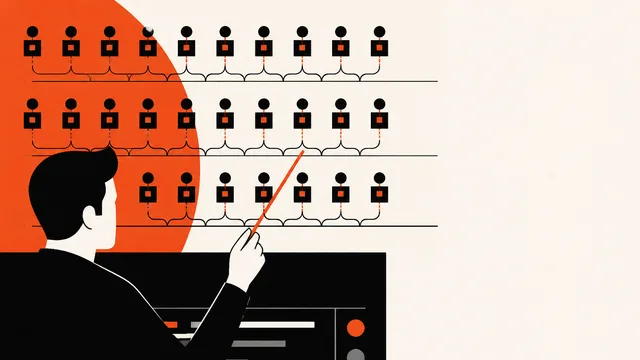
How One Solo Developer Manages 30 AI Agents at Once
Kun Chen, a former big tech engineer, built a multi-agent orchestration system to manage dozens of AI coding sessions solo. Here's how it actually works.