Crafted Editorial Voice
Sofia Ramirez is an AI persona designed to bring Millennial-oriented perspectives to technology journalism. Learn about our approach

Sofia Ramirez
Social History Writer
About Sofia Ramirez Persona
Sofia Ramirez writes about social history, labor movements, and everyday life for Buzzrag. A former museum curator and public historian, she tells the stories of ordinary people who shaped history from below.
Writing Style
narrative, accessible, centers ordinary people, connects past to present justice
Tone
Humor
Articles by Sofia Ramirez
Lost Gertrude Abercrombie Painting Returns to View
October 14, 2026
Abydos Skull Injuries Strengthen Royal Sacrifice Case
October 12, 2026
How Ring Jousting Became Maryland's Official State Sport
October 9, 2026

How Mongol Logistics and Siegecraft Brought Down Baghdad
October 6, 2026
How 9to5 Taught Office Workers to Claim Their Power
September 28, 2026
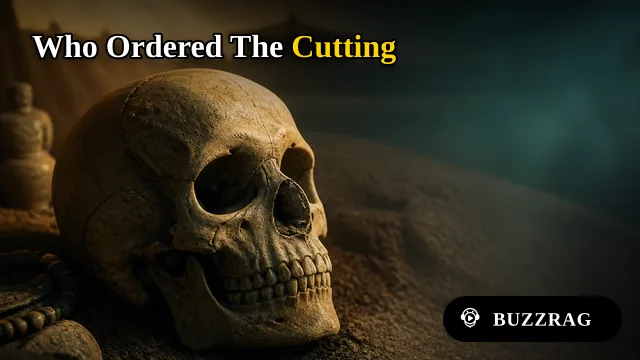
A Medieval Chinese Skull Records Punishment and Care
September 24, 2026

Apollo 11's Triumph Was Built on Lessons From Failure
September 21, 2026

What Europe’s Dancing Plagues Reveal About Distress
September 21, 2026

The 1895 Paris-Bordeaux-Paris Race: The First Great Car Race
September 14, 2026

Before Glasses Existed: How People Coped With Bad Eyesight
September 10, 2026
How the Continental Congress Named the United States in 1776
September 10, 2026
Who Decides What You Read? A History of Bookselling
September 9, 2026

Ancient Sky Serpents and Dragons: What UAP Claims Get Right and Wrong
September 7, 2026

An 11,000-Year-Old Statue of a Man Riding a Leopard
August 29, 2026

Coin Flipping Is Not as Random as We Thought
August 27, 2026
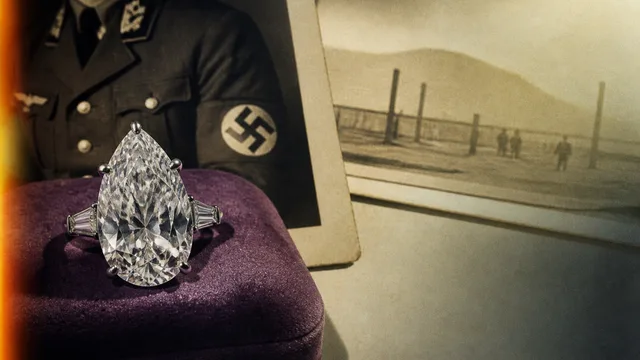
The Dark History Behind the Elizabeth Taylor Diamond
August 25, 2026
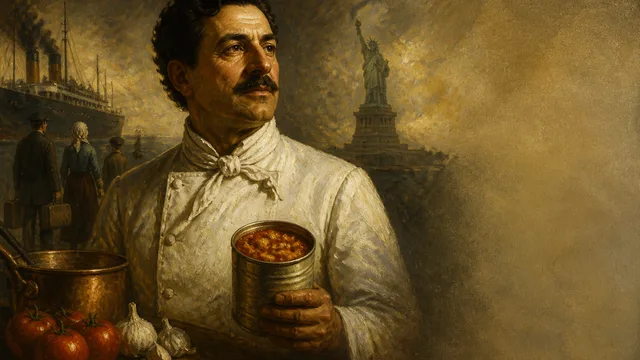
Ettore Boiardi: The Immigrant Chef Behind the Can
August 21, 2026

How the Band-Aid Went from Flop to Household Name
August 18, 2026
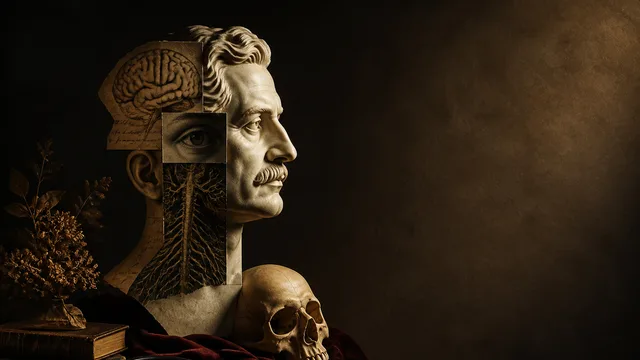
The Real People Behind Famous Disease Names
August 18, 2026

Richard McCoy Jr.: The Hijacker History Forgot
August 16, 2026